
Can a Child Refuse Parental Visitations in Alabama?

Nik Fondren • November 13, 2023

The period following a divorce can be challenging for anyone, particularly children. Kids may yearn for a return to the status quo or rebel against changes to their lifestyles or relationships with family members, which can create difficult situations for parents, as well.


The idea that kids get to choose who they stay with and everyone winds up happy with the arrangement is pure fiction. In Alabama, judges can consider children's opinions during custody and visitation hearings if they feel that it's appropriate, but the law precludes placing the burden of these difficult decisions on the shoulders of minors.


How Do the Courts Determine Custody?


When parents can't decide who should get primary custody of a child, they must take the matter before a judge. That way, the court can assign primary custody to one parent after the separation. In theory, judges base decisions about custody and visitation rights on the child's best interest. That said, parents should still hire a child custody attorney to fight for their rights.


The court considers many factors when determining which parent should receive primary custody, not just how the child feels about it. Additional considerations include:


  • The child's age
  • The child's sex
  • The child's emotional, social, educational material, and moral needs
  • The parents' home environments
  • The parents' ages
  • The parents' social and financial stability
  • The parents' health, both mental and physical
  • The parents' overall characters
  • Relationships with other children in the family
  • Relationships with each parent


Judges usually ask kids who they want to live with and why if they are of sufficient age and maturity to provide an answer, but they don't prioritize the child's wishes over other factors. The same is true during visitation hearings. Alabama family law focuses on determining what's best for the child's well-being, which usually means maintaining contact with both parents.


What Happens if Children Refuse Parental Visitations?


Few things are more frustrating for parents than going through an entire practically and emotionally challenging custody battle only to find that the child is unwilling to cooperate with the judge's ruling. Families must follow the visitation agreements handed down by judges, though, which means that custodial parents must ensure that their children arrive on time for visitations.


No one can force a child to act in any given way during a supervised visitation. Parents are responsible for getting their minor children to arrive at supervised visitations at the scheduled time to see non-custodial parents, but no one expects miracles. If the child wants to sit in a chair and stare at a corner until the required visitation period is finished, everyone can wind up feeling frustrated. However, there's nothing parents or the court can do to force certain kinds of interactions.


Modifying Visitation Agreements


Parents often assume that child custody and visitation agreements are set in stone. They're not. Sometimes the decisions handed down by judges make sense in the immediate aftermath of a divorce, but they may no longer be in the child's best interest months or years later. 


Custodial parents must attend to how their children feel about time spent with co-parents. If their kids are unhappy, there's usually a reason for it. Some of those reasons, like not getting along with a new partner or disliking the non-custodial parent's approach to setting up rules, are perfectly normal kinds of conflicts that can be worked out without courtroom intervention.


If a child is unhappy spending time with a non-custodial parent because of factors that impact their safety or well-being, that's a different situation. Examples of this include situations involving alcohol or drug abuse, arguments that escalate into physical violence, or a failure to provide for the child's basic needs.


The bottom line here is that if your child is refusing contact with their non-custodial parent, you should take the time to find out why. If the cause directly affects their safety, it's time to modify the visitation agreement.


How to Modify a Visitation Agreement


There are two ways to go about modifying a visitation agreement. The first way to modify a visitation agreement is to come to a consensus about how to alter the agreement and then submit the alterations to the court. When the court agrees that the modifications are in the best interests of the child, those changes will be approved. Sometimes, a non-custodial parent doesn't want to put a child through visitations that they don't want. In those circumstances, this is a good option.


There is also a second way to modify a visitation agreement. Either the custodial or non-custodial parent can request a modification directly from the court without the agreement of the other parent. If a child's reason for refusing contact with a non-custodial parent is related to drugs, alcohol, violence, or other factors that directly impact their well-being, the court can agree to the modifications so that the custodial parent doesn't have to place their child in danger.


At What Age Can a Child Make Their Own Decision?


Minor children don't get to make decisions about them first-hand, though they usually have a say. Judges may or may not take their desires into account when handing down rulings depending on the reasons given for refusing parental visitations. However, entering adulthood brings this difficult chapter to a close. When a child turns 18, it's no longer the business of the state what kind of relationship they maintain with custodial and non-custodial parents.


In rare cases, children can achieve the rights of adulthood at the earlier age of 16 in a process called emancipation. Emancipated minors no longer receive financial support from either of their parents and cannot be forced into any kind of interaction. Kids have to achieve numerous conditions before becoming emancipated minors in Alabama.


Get Help With Understanding Options


Children who refuse parental visitations in Alabama place their custodial parents in a difficult situation. If you're dealing with this problem, the best option is to contact a family law attorney to get help with understanding your legal options. You may be able to change the visitation agreement to be more in line with your child's wishes.


man being pulled over by a female police officer with a clipboard
By Jerry Kilgo June 4, 2026
Charged with a first DUI in Alabama? Learn what happens next, from court dates and license issues to costs, classes, and next steps.
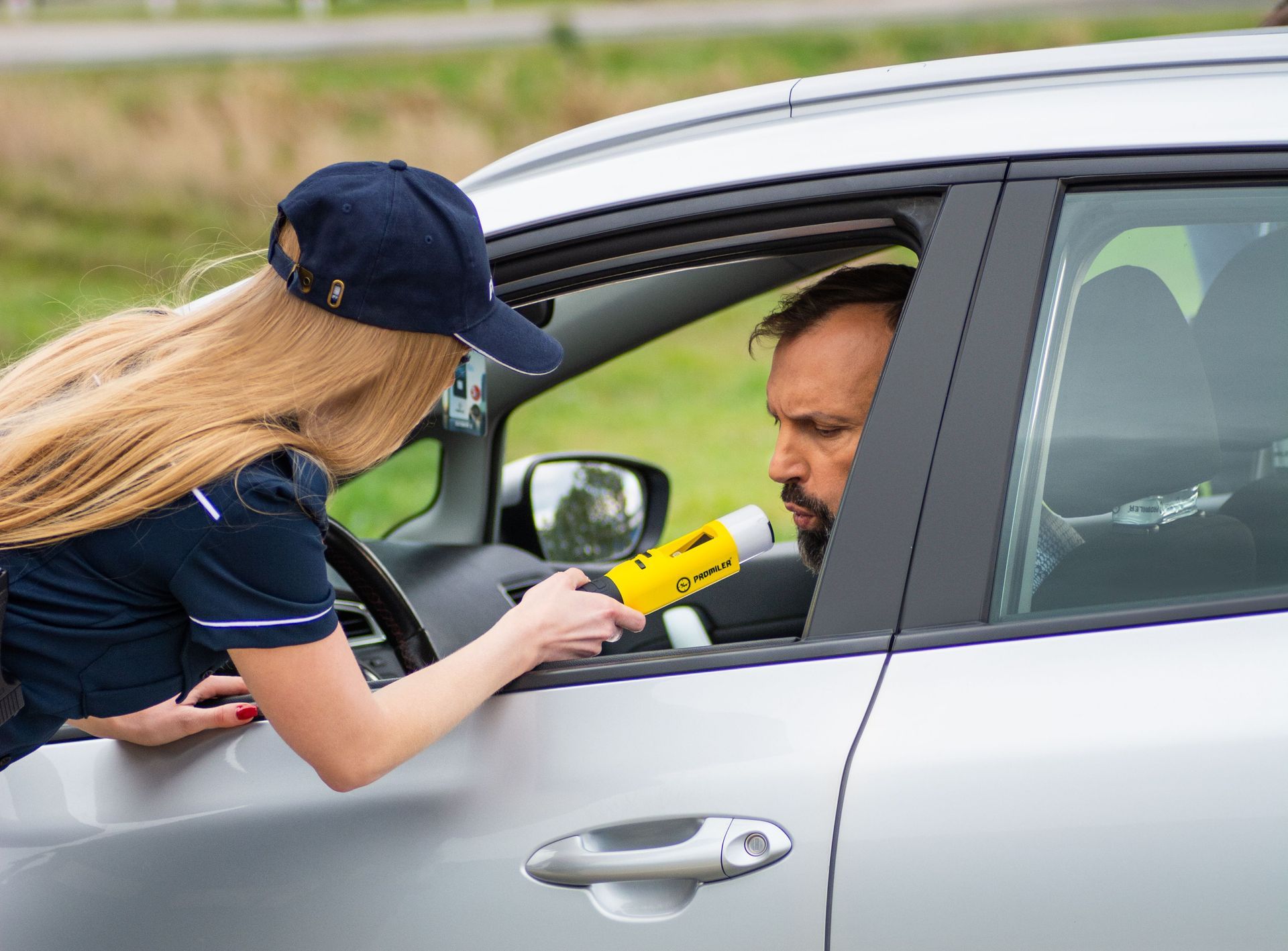
female police officer issuing a breathalyzer test to a male in a silver car
By Jerry Kilgo June 2, 2026
Find out whether you lose your license after a DUI in Alabama, what deadlines matter, and what to know about restricted driving options.
black and gold gavel on desk
By Jerry Kilgo June 1, 2026
Learn what to do when DHR shows up at your door in Alabama, what your rights are, and how a child protective services investigation may unfold.
By Jerry Kilgo May 1, 2026
How Long Do You Have to Pay Child Support in Alabama?
By Jerry Kilgo May 1, 2026
How Is Child Custody Decided in Alabama? What Judges Actually Look At
By Jerry Kilgo May 1, 2026
Can You Date During a Divorce in Alabama? What to Know Before You Make Things Harder
By Jerry Kilgo April 21, 2026
Who Gets the House in a Divorce in Alabama?
By Jerry Kilgo April 21, 2026
What Is the Wife Entitled to in a Divorce in Alabama?
Judge’s gavel on desk in front of a blurred lawyer working on a laptop in an office
By Jerry Kilgo April 21, 2026
How Long Does a Divorce Take in Alabama? A Realistic Timeline From Filing to Final Order
By Seo Management August 6, 2024
Many people find a car essential today, particularly individuals who do not live in urban areas. Public transportation may be unreliable, and men and women must get to work, school, medical appointments, and more. In addition, the ability to drive is a sign that a person is free. They can choose to go wherever their heart desires at a moment’s notice. They aren’t relying on someone else to take them where they want or need to go. Driving is not a right, however. It is a privilege granted by the state where the individual lives and this privilege can be revoked in certain situations. The person named on the driver’s license agrees to obey all traffic laws and drive safely on all roads. The state retains the right to suspend or revoke the license when they don't. Men and women should consult a criminal defense attorney if they lose their license following a DUI charge to navigate the process of restoring the license. Driver’s License Suspensions  The state may suspend a driver’s license for several reasons. A driver with several traffic tickets might find the state takes away their ability to operate a motor vehicle, as it is responsible for keeping other drivers on the road safe. When a person fails to appear in court after being ordered to do so, the state may suspend their driver’s license. It might also take a person’s license if they own back child support to encourage the delinquent parent to catch up on their financial obligation. Driving under the influence will also lead to the suspension of a person’s license. Driving Under the Influence A person driving under the influence of drugs or alcohol will have their license suspended, and that is only one of several penalties they face. When charged with this crime, a person immediately loses driving privileges. Law enforcement has either tested this individual and found their blood alcohol content was at or above the state legal limit or the driver refused chemical testing. The driver must turn their license over when they are charged. They may have the license returned until they appear before a judge, and the judge may suspend the license again for a longer period. Implied Consent Many drivers believe they can refuse chemical and field sobriety tests to avoid losing their licenses. That is not the case. When they receive their driver's license, they agree to undergo chemical testing for drug or alcohol use. This testing may include blood tests, urine analyses, breath tests, or a Breathalyzer. When a driver refuses one or more of these tests, the law enforcement officer may arrest them and require them to undergo testing. Refusing these tests subjects the driver to harsher penalties. The refusal may lead to the driver losing their license for 90 days or being required to have an ignition interlock device installed on their vehicle. Prosecutors may also bring up this refusal in court as evidence of the driver’s impairment. Restoring Driving Privileges Once a License Has Been Suspended Drivers must know how to have their license restored once it has been suspended. They must first confirm that the license has been suspended rather than revoked. When the license has been revoked, the driver must go through all steps required to restore their driving privileges just as they would if the license were suspended. However, they must also retake their driving tests before getting their license back. Administrative license suspensions often come shortly after a DUI arrest. They differ from a license suspension related to criminal charges, such as a DUI conviction. To restore a license following an administrative suspension, the driver can request a hearing where they contest the suspension. During this hearing, the law enforcement officer who handled the arrest will share evidence of why they stopped the driver and what they found during the traffic stop. The driver then mounts a defense, and the hearing officer rules. If the hearing officer upholds the suspension, the driver must abide by all court orders and pay all fines and fees before the suspension period ends. The fines, fees, and court orders vary by the suspension type. DUI Suspensions Before restoring a person’s license when they have been convicted of a DUI, Alabama requires the driver to complete a substance abuse treatment program. The state currently has over 25 court referral programs for drivers, and each program has court referral officers and juvenile instructors. The driver might be required to sit through presentations about substance abuse and how drugs and alcohol affect their driving. The court might also have them participate in an inpatient or outpatient substance abuse treatment program. Level One treatment involves a 12-hour presentation about substance abuse laws and how different substances affect a person’s driving ability. Courts only offer this level for individuals who don’t have an identified substance use disorder. If the court presumes or determines a person has a substance use disorder, it will order the individual into Level Two treatment. The driver participates in a program that lasts at least 24 hours. The student must interact and take an active part in the treatment. This treatment program covers everything from Level One and delves further into substance abuse patterns and available support systems. Self-help meetings make up a portion of Level Two treatment programs. Level Three treatment programs include a mental health evaluation. The student is also referred for treatment in an approved substance abuse program, which may be either inpatient or intensive outpatient. Anyone 21 and under charged with DUI is considered an at-risk youth. They must take part in a 12-hour presentation. The presentation covers topics such as coping skills and conflict resolution. In addition, the youth will learn more about alcohol and drug abuse laws. Restoring the License Taking part in a treatment program is one step in restoring the license. The driver must also pay any fines associated with the suspension and obtain SR-22 insurance. The state may issue a restricted or hardship license for those needing a license to continue working or attending school. This license allows the individual to drive under certain conditions, such as when they have medical or treatment appointments to attend. Before issuing this restricted license, the court will require the driver to install an ignition interlock device on their vehicle. How Long Will the Suspension Last? Administrative suspensions may last as little as 90 days or up to three years. First-time offenders will have their licenses suspended for 90 days, second-time offenders will lose their licenses for one year, and third-time offenders lose them for three years, according to FindLaw.com. If they obtain a restricted license, it may be used for essential travel only in Alabama. Fines and Penalties Assessed with Suspended Licenses Any driver whose license has been suspended must pay a $275 reinstatement fee. There is also an additional $25 drug-related fee and a $150 interlock issuance fee. Additional fees may also be charged, and the driver might need to pay an attorney to fight the suspension. Fees are typically lower when the suspension is from something other than driving under the influence. Contact a criminal defense attorney for more information on restoring a suspended license. No two cases are identical, and the attorney can guide the person through this restoration. With their help, a person can navigate this process and get their license back at the first opportunity.