
Impact of Domestic Disturbance Charges on Military or Police

Jordan Meggs • June 11, 2023

Domestic disturbance charges, presenting both direct and indirect legal, reputational, and emotional impacts, can potentially derail law enforcement and military careers, even in the absence of conviction.

police officer being sworn in

Based on recent reports, as many as three million domestic disturbances are reported each year in the United States. Of course, experts are quick to point out that many more cases arise but go unreported. These situations can have serious impacts on everyone involved, including the victims of abuse and children who may witness the incidents either directly or indirectly.


From the Perspective of the Accused


Domestic disturbance charges can also have severe repercussions for those who are accused of such crimes. This is particularly true for people serving in law enforcement or the military. Careers in these fields demand the highest levels of integrity, discipline, and responsibility. That’s the case both on and off duty.

Any involvement in domestic disputes or violence can potentially derail a promising career. Think about some of the ways in which a domestic disturbance charge can sabotage a military or police career. Keep in mind, though it may be possible to overcome some of the backlash, completely recovering from such a charge may be unfeasible. 


Legal Repercussions


Legal issues are among the most evident consequences of domestic disturbances. Though many repercussions build up behind the scenes, the legal side of the story can quickly become a public matter. Anyone who’s facing a domestic disturbance charge should consider seeking assistance from a criminal defense attorney in Cullman to help minimize the impact on their reputation and career. 


Protective Orders


Some of the most common results of domestic disturbance accusations are restraining protective and no-contact orders. Each of these plays a role in protecting the victims of violence, harassment, and other crimes. Though they’re similar, their terms and conditions and the ways they’re enforced vary. Punishments for violating these orders may differ for police and military personnel as well. 


Protective court orders may seem inconsequential on the surface, but few things could be further from the truth. Someone filing a restraining or protective order against another person won’t automatically result in the accused being discharged from the military or police force, but it can certainly complicate matters. After all, those orders often prevent people from owning or handling firearms and other weapons or even being in their immediate vicinity. 


If a person is legally restricted from using firearms, that could greatly hamper his or her ability to fulfill the duties of a police officer or member of the military. In turn, that could lead ultimately lead to dismissal. Even though a restraining order or other type of protective measure doesn’t condemn anyone as an overly violent person, it may affect a career in which weapons are essential. 


Civil and Criminal Charges


Beyond protective orders and similar actions, anyone who is accused of domestic violence could face civil and criminal charges. That includes law enforcement and military personnel. Those accused may face either civil or criminal charges after being implicated in a domestic disturbance. Some people endure both. 


Furthermore, per the recently established Uniform Code of Military Justice, domestic violence is considered a serious crime in all branches of the military. Military personnel who are accused of domestic violence in civil or criminal court may also face charges in military court and vice versa. Those who are convicted may receive a dishonorable discharge or be forbidden from reenlisting in the military once their current term ends. 


For law enforcement officials, the result of a domestic violence conviction is generally dismissal from the force. Even if their records are eventually expunged, they may not be able to rejoin the force after the fact. In the case of both law enforcement officials and military personnel, domestic disturbance charges, even without convictions, could bring about serious legal and career-based consequences. 


Reputation and Mental Stability Come Under Fire


Domestic violence charges may not immediately or directly result in dismissal. Many charges are filed and later dropped due to a lack of sufficient evidence or other reasons. If there’s no condemning evidence or a charge is retracted, an employer may not legally be able to terminate an employee because of it. That’s a universal truth across all sectors and industries.


Still, even an accusation could bring a person’s temperament or mental stability under fire. That’s especially true in law enforcement or the military. Personnel may be required to undergo psychological evaluations following domestic charges to ensure they’re fit for duty. If they’re deemed mentally unfit, they may be dismissed even without a conviction. 


On another note, word tends to spread when a person is accused of a crime. Even stringent measures to keep such allegations under wraps may not be effective. Once word gets around, it can easily destroy a person’s personal and professional reputation. That, alone, may bring a military or law enforcement career to a screeching halt. There’s a certain stigma attached to those accused of domestic abuse, and it can follow a person for a lifetime. 


Mental and Emotional Effects


Possible legal repercussions aside, the mental and emotional effects of domestic disturbance charges can’t be overlooked. Many people may argue that those consequences are of little importance when it comes to a person’s career. In reality, they can have a major bearing on a person’s future in law enforcement or the military. 


Domestic violence inevitably brings about strain in personal relationships. That extends well beyond the tension between the perpetrator and the victim. It may cause hostility between the accused and many other people in his or her life, including children, parents and in-laws, siblings, friends, and coworkers. 


All that stress and tension is bound to affect a person’s career. Problems in people’s personal lives are bound to be reflected at work. They can detract from a person’s concentration, productivity, work relationships, and attitude toward his or her job, among many other aspects. For police officers and military personnel, they bring about safety issues as well.


Though all that may not directly result in the loss of a military or law enforcement career, it could easily hurt a person’s chances of advancement. It could also lead to disciplinary actions. Indirect repercussions of mental and emotional stress can generate the same ultimate outcomes as direct legal consequences. In some cases, they’re even more severe, considering everything that may be at stake. 


Domestic Disturbance Charges’ Impacts on Military and Law Enforcement Careers


Police forces and branches of the military hold their personnel to strict ethical standards and codes of conduct. Domestic violence and similar infractions are often considered direct violations of those regulations. As such, they can have serious impacts on the careers of law enforcement and military personnel. 


Domestic disturbance charges can sabotage a military or police career in numerous ways. Possible legal consequences alone are often enough to derail a person’s future. From there, both direct and indirect repercussions can hamper a person’s chances of remaining in either of these fields and deny him or her the opportunity for advancement.
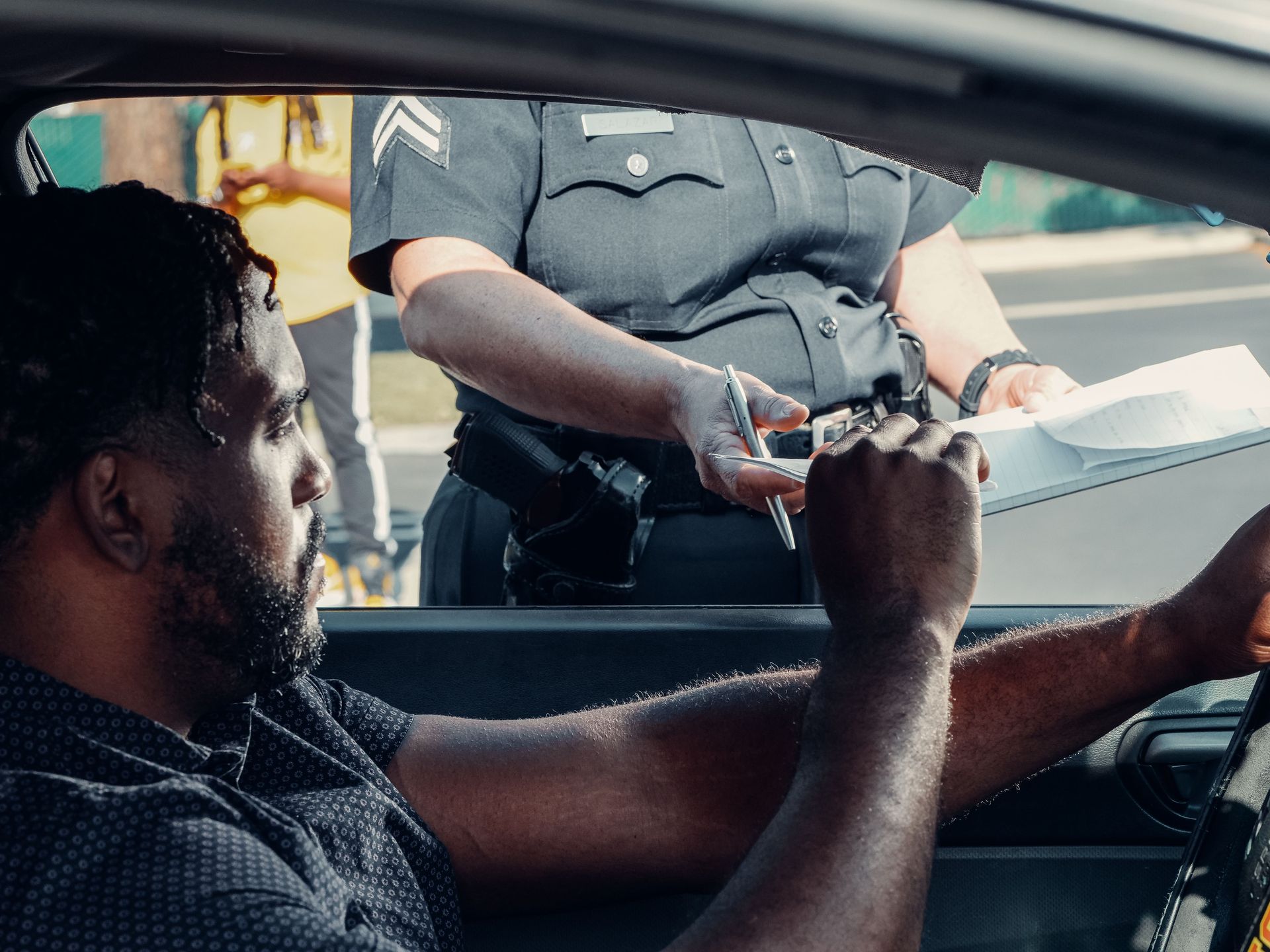

man being pulled over by a female police officer with a clipboard
By Jerry Kilgo June 4, 2026
Charged with a first DUI in Alabama? Learn what happens next, from court dates and license issues to costs, classes, and next steps.
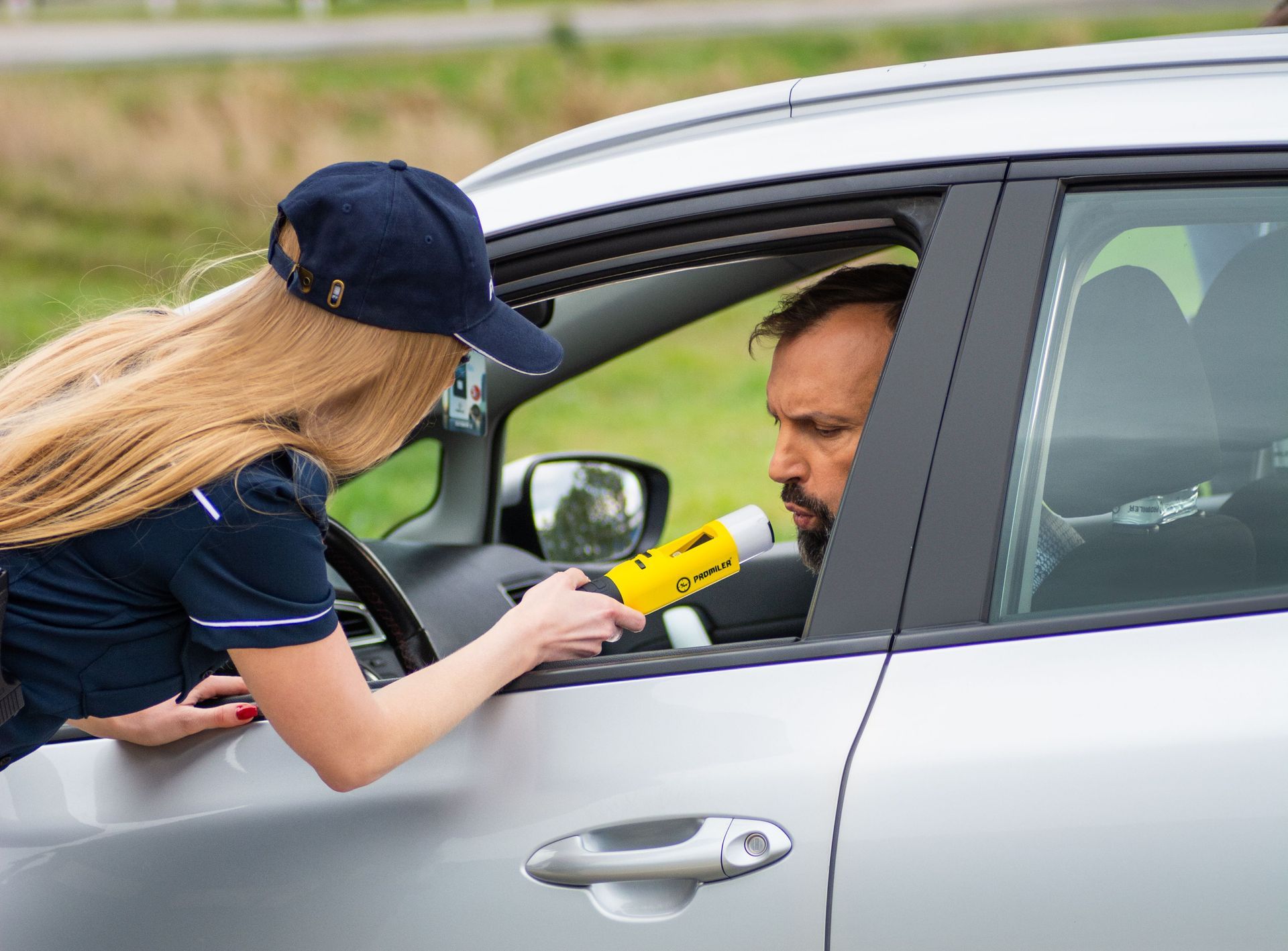
female police officer issuing a breathalyzer test to a male in a silver car
By Jerry Kilgo June 2, 2026
Find out whether you lose your license after a DUI in Alabama, what deadlines matter, and what to know about restricted driving options.
black and gold gavel on desk
By Jerry Kilgo June 1, 2026
Learn what to do when DHR shows up at your door in Alabama, what your rights are, and how a child protective services investigation may unfold.
By Jerry Kilgo May 1, 2026
How Long Do You Have to Pay Child Support in Alabama?
By Jerry Kilgo May 1, 2026
How Is Child Custody Decided in Alabama? What Judges Actually Look At
By Jerry Kilgo May 1, 2026
Can You Date During a Divorce in Alabama? What to Know Before You Make Things Harder
By Jerry Kilgo April 21, 2026
Who Gets the House in a Divorce in Alabama?
By Jerry Kilgo April 21, 2026
What Is the Wife Entitled to in a Divorce in Alabama?
Judge’s gavel on desk in front of a blurred lawyer working on a laptop in an office
By Jerry Kilgo April 21, 2026
How Long Does a Divorce Take in Alabama? A Realistic Timeline From Filing to Final Order
By Seo Management August 6, 2024
Many people find a car essential today, particularly individuals who do not live in urban areas. Public transportation may be unreliable, and men and women must get to work, school, medical appointments, and more. In addition, the ability to drive is a sign that a person is free. They can choose to go wherever their heart desires at a moment’s notice. They aren’t relying on someone else to take them where they want or need to go. Driving is not a right, however. It is a privilege granted by the state where the individual lives and this privilege can be revoked in certain situations. The person named on the driver’s license agrees to obey all traffic laws and drive safely on all roads. The state retains the right to suspend or revoke the license when they don't. Men and women should consult a criminal defense attorney if they lose their license following a DUI charge to navigate the process of restoring the license. Driver’s License Suspensions  The state may suspend a driver’s license for several reasons. A driver with several traffic tickets might find the state takes away their ability to operate a motor vehicle, as it is responsible for keeping other drivers on the road safe. When a person fails to appear in court after being ordered to do so, the state may suspend their driver’s license. It might also take a person’s license if they own back child support to encourage the delinquent parent to catch up on their financial obligation. Driving under the influence will also lead to the suspension of a person’s license. Driving Under the Influence A person driving under the influence of drugs or alcohol will have their license suspended, and that is only one of several penalties they face. When charged with this crime, a person immediately loses driving privileges. Law enforcement has either tested this individual and found their blood alcohol content was at or above the state legal limit or the driver refused chemical testing. The driver must turn their license over when they are charged. They may have the license returned until they appear before a judge, and the judge may suspend the license again for a longer period. Implied Consent Many drivers believe they can refuse chemical and field sobriety tests to avoid losing their licenses. That is not the case. When they receive their driver's license, they agree to undergo chemical testing for drug or alcohol use. This testing may include blood tests, urine analyses, breath tests, or a Breathalyzer. When a driver refuses one or more of these tests, the law enforcement officer may arrest them and require them to undergo testing. Refusing these tests subjects the driver to harsher penalties. The refusal may lead to the driver losing their license for 90 days or being required to have an ignition interlock device installed on their vehicle. Prosecutors may also bring up this refusal in court as evidence of the driver’s impairment. Restoring Driving Privileges Once a License Has Been Suspended Drivers must know how to have their license restored once it has been suspended. They must first confirm that the license has been suspended rather than revoked. When the license has been revoked, the driver must go through all steps required to restore their driving privileges just as they would if the license were suspended. However, they must also retake their driving tests before getting their license back. Administrative license suspensions often come shortly after a DUI arrest. They differ from a license suspension related to criminal charges, such as a DUI conviction. To restore a license following an administrative suspension, the driver can request a hearing where they contest the suspension. During this hearing, the law enforcement officer who handled the arrest will share evidence of why they stopped the driver and what they found during the traffic stop. The driver then mounts a defense, and the hearing officer rules. If the hearing officer upholds the suspension, the driver must abide by all court orders and pay all fines and fees before the suspension period ends. The fines, fees, and court orders vary by the suspension type. DUI Suspensions Before restoring a person’s license when they have been convicted of a DUI, Alabama requires the driver to complete a substance abuse treatment program. The state currently has over 25 court referral programs for drivers, and each program has court referral officers and juvenile instructors. The driver might be required to sit through presentations about substance abuse and how drugs and alcohol affect their driving. The court might also have them participate in an inpatient or outpatient substance abuse treatment program. Level One treatment involves a 12-hour presentation about substance abuse laws and how different substances affect a person’s driving ability. Courts only offer this level for individuals who don’t have an identified substance use disorder. If the court presumes or determines a person has a substance use disorder, it will order the individual into Level Two treatment. The driver participates in a program that lasts at least 24 hours. The student must interact and take an active part in the treatment. This treatment program covers everything from Level One and delves further into substance abuse patterns and available support systems. Self-help meetings make up a portion of Level Two treatment programs. Level Three treatment programs include a mental health evaluation. The student is also referred for treatment in an approved substance abuse program, which may be either inpatient or intensive outpatient. Anyone 21 and under charged with DUI is considered an at-risk youth. They must take part in a 12-hour presentation. The presentation covers topics such as coping skills and conflict resolution. In addition, the youth will learn more about alcohol and drug abuse laws. Restoring the License Taking part in a treatment program is one step in restoring the license. The driver must also pay any fines associated with the suspension and obtain SR-22 insurance. The state may issue a restricted or hardship license for those needing a license to continue working or attending school. This license allows the individual to drive under certain conditions, such as when they have medical or treatment appointments to attend. Before issuing this restricted license, the court will require the driver to install an ignition interlock device on their vehicle. How Long Will the Suspension Last? Administrative suspensions may last as little as 90 days or up to three years. First-time offenders will have their licenses suspended for 90 days, second-time offenders will lose their licenses for one year, and third-time offenders lose them for three years, according to FindLaw.com. If they obtain a restricted license, it may be used for essential travel only in Alabama. Fines and Penalties Assessed with Suspended Licenses Any driver whose license has been suspended must pay a $275 reinstatement fee. There is also an additional $25 drug-related fee and a $150 interlock issuance fee. Additional fees may also be charged, and the driver might need to pay an attorney to fight the suspension. Fees are typically lower when the suspension is from something other than driving under the influence. Contact a criminal defense attorney for more information on restoring a suspended license. No two cases are identical, and the attorney can guide the person through this restoration. With their help, a person can navigate this process and get their license back at the first opportunity.