5 Signs Your Marriage Can’t Be Salvaged and Where to Turn Next

Nik Fondren • February 7, 2024

Finding the Right Path to Take When Your Marriage Comes to a Close

All married couples experience problems at times. After all, when you share a life, a home, and finances, certain differences are bound to arise. You can solve some problems some of the time, but it’s impossible to come to a solid agreement on everything. Sometimes, even an acceptable compromise seems out of the question. 


Arguments, hardships, and frustrations are common in marriages. People simply accept them and resolve them to the best of their abilities. In some cases, they ultimately just agree to disagree on a point of contention. Those typical hurdles aren’t necessarily reasons to end a marriage. 


Knowing When It’s Time to Walk Away


Having said that, some marital problems run far deeper than the common, somewhat trivial, obstacles. They cause ongoing pain and unhappiness for everyone involved. Where, exactly, is that line, though? How do you decide a marriage can’t be salvaged? Although not all situations are absolute, the following five warning signs may be indications that it’s time for an Alabama divorce. 


Trust Is No Longer Part of Your Relationship


A complete lack of trust is one of the most surefire signs that a relationship can’t be salvaged. This is also one of the most complex relationship problems couples face. Loss of trust can stem from several issues. 


Infidelity


Infidelity is one of the leading causes of divorce in America. Some couples can rebuild their relationship after one of them has an affair. It may take time, effort, and even therapy, but it’s not impossible. 


If infidelity has been a recurring problem, though, it’s not likely to change at this point. Trying to rebuild trust after repeated affairs is often fruitless. Even if your partner’s cheating does come to a halt, you’ll probably still have ongoing trust issues that could cause serious problems for the remainder of your life together. You’ll always be wondering if something unsavory is going on behind your back.


Habitual Lying


Habitual lying is another reason for broken and possibly unrepairable trust. For example, say your spouse has a habit of telling you he or she has paid the bills, but that repeatedly turns out to be untrue. Perhaps your spouse routinely lies about where he or she goes after leaving the house. Even after getting caught in those deceptions, your spouse may continue to insist they’re the truth. 


If chronic lying has led to a loss of trust in your relationship, there may be no other solution besides ending the marriage. It’s not easy to regain trust after it’s lost. As is the case with infidelity, long-running habitual lying isn’t likely to go away. 


Acting Irresponsibly


Acting irresponsibly may lead to a lack of trust as well. If your partner consistently makes promises only to break them, trust will inevitably fade over time. Breaking dates and routinely forgetting important occasions also fall into this category. So does frivolous spending that causes financial hardships for your family. If you’ve come to distrust your spouse because he or she is, essentially, a flake, it may be time to consider divorce. 


Constant Fighting


Constant fighting in a relationship is a warning sign that it may be time to walk away. Every couple argues at times; it’s inevitable. You stay angry with each other for a few hours or days. Then, you apologize, make up, and move on with your life together. 


If those heated disagreements have transcended the occasional spat, though, they’re a problem. They create unending stress and tension in a relationship. That, in turn, leads to a long list of problems. From the most basic perspective, you’ll both be miserable. Beneath the surface, endless arguments can affect your physical and mental health as well as that of your partner. 


Studies have shown that relentless arguing in a relationship can lead to reduced immunity, which means you’re both likely to be sick more often. You’ll be slower to recover from illnesses and injuries too. Incessant fighting has also been linked to higher blood pressure and an increased risk of anxiety and depression. Those are only a few of the possibilities. Constantly arguing with your spouse can have the same effects on your children as well. 


Failure to Communicate


Perhaps relentless fighting isn’t a problem in your relationship. Maybe you and your partner don’t fight at all. In fact, you rarely even talk beyond a basic “Good morning,” or “See you later.” 


You don’t joke around and laugh with each other the way you once did. Those heartfelt conversations you used to have are no longer part of your life. At one time, the two of you could talk all night long about any topic imaginable, but now, you fall asleep without a word to one another. You don’t even discuss basic household decisions at this point.


A complete lack of communication can be just as detrimental to your health and relationship as constant arguing. Some experts feel it’s even more harmful. At least when you’re arguing, you’re blowing off steam and letting out some of your negative emotions. When you’re not communicating at all, you’re holding everything inside. 


If the lines of communication have broken down in your home, consider trying to reopen them a little at a time. If both of you make an effort to talk and reconnect, that could save your marriage. On the other hand, maybe you’ve tried, but it’s just not working. In a situation like that, it may be time to end the relationship. 


You’re a Victim of Abuse


Living with abuse is a definitive sign that it’s time to walk away from your marriage. That’s the case whether the abuse is physical, emotional, or financial. Any abusive partner can promise to change. Yours likely will if you threaten to leave. Unfortunately, though, only a fraction of those who make such promises actually follow through with them. 


To truly, permanently change for the better, an abusive partner has to fully understand the depth of his or her actions and how they’re affecting you. Your partner has to learn to identify what causes the patterns of abusive behavior and be willing to overcome them. In most cases, abusers are more apt to blame their partners for their actions and make excuses for themselves. 


You Dread Coming Home


Do you voluntarily work late even though it’s not really necessary? Do you routinely make up errands to run just to get out of the house? If you’ve come to realize that you dread spending time at home, your relationship may be over. 


Before deciding to end the relationship, delve deeper into why you don’t want to go home. Is it because you know you’ll end up arguing with your partner from the time you get home until you fall asleep? Does staying away from home keep you safe from your partner’s abuse? 


It could be that you know you’ll inevitably just end up sitting in silence on the opposite end of the sofa from your partner. Because of that, you feel more alone when you’re with your spouse than you do otherwise. Maybe you dread going home because you haven’t been honest with your spouse about something. In your guilt, you’re struggling to face your partner or afraid they already know what you did. 


Think about why you want to spend as little time at home as possible. Consider whether the problem can be resolved. If there’s a chance it can, then speak up about it. It may lead to an uncomfortable conversation, but that’s better than holding it in. At the very least, it’ll give you a better idea of whether trying to salvage your relationship or walking away from it would be the better option. 


Where to Turn Next


In the event you’re ready to walk away from your marriage, it’s best not to handle the situation on your own. Reach out to your family members and close friends for emotional support. There’s no harm in turning to a counselor as well. Professional counselors can give you guidance and tools to help you cope with the pain, anger, sadness, resentment, and other negative feelings you’re experiencing. 


Additionally, consider consulting with a divorce attorney. Professional legal counsel can help make the divorce process less complicated and confusing. A lawyer can help you work through all the finer details of the divorce, like spousal support, child custody and support, visitation, and division of assets and debts. Working with an attorney will improve your chances of a fair outcome so you can more effectively move on with your life. 


man being pulled over by a female police officer with a clipboard
By Jerry Kilgo June 4, 2026
Charged with a first DUI in Alabama? Learn what happens next, from court dates and license issues to costs, classes, and next steps.
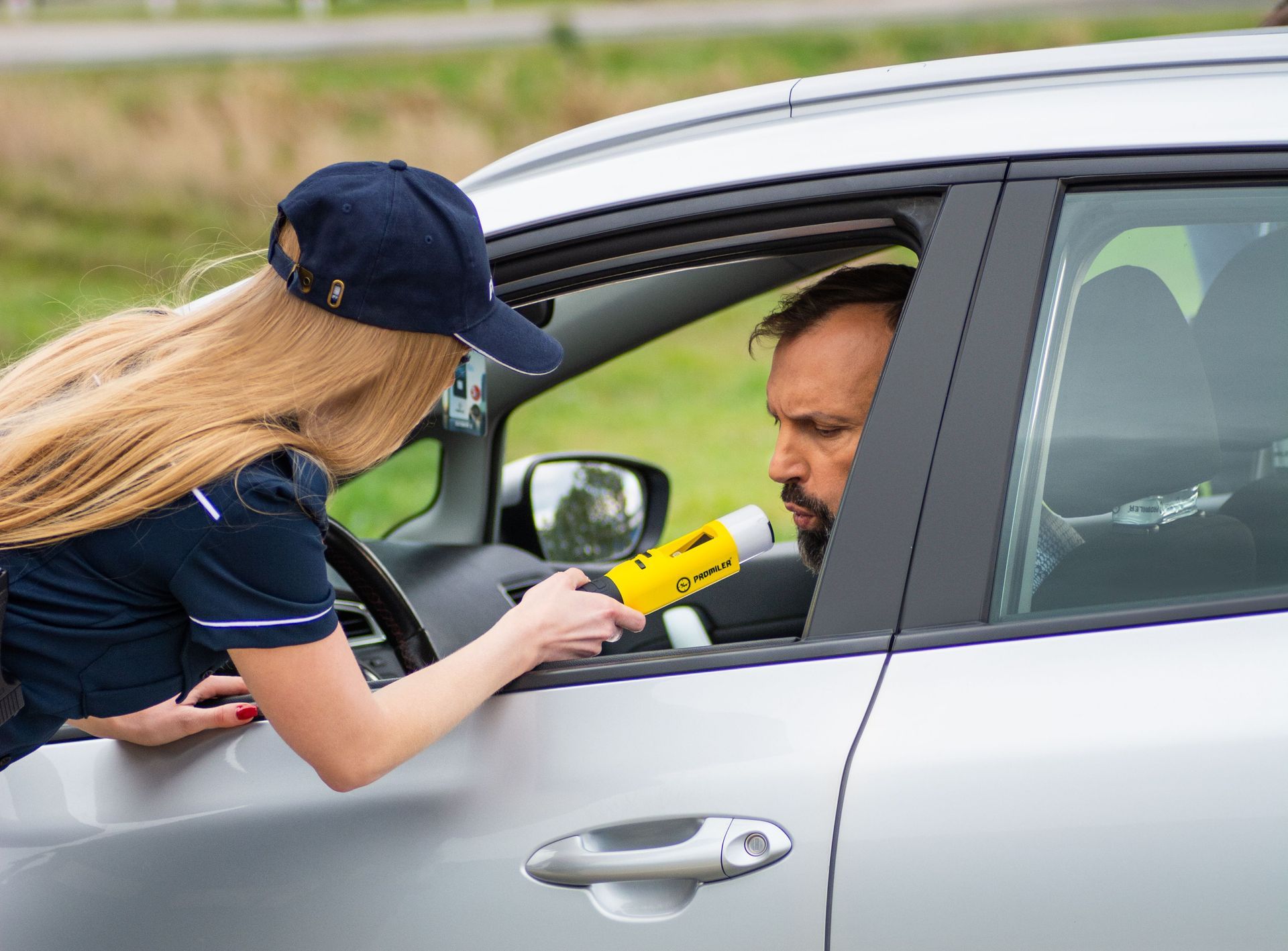
female police officer issuing a breathalyzer test to a male in a silver car
By Jerry Kilgo June 2, 2026
Find out whether you lose your license after a DUI in Alabama, what deadlines matter, and what to know about restricted driving options.
black and gold gavel on desk
By Jerry Kilgo June 1, 2026
Learn what to do when DHR shows up at your door in Alabama, what your rights are, and how a child protective services investigation may unfold.
By Jerry Kilgo May 1, 2026
How Long Do You Have to Pay Child Support in Alabama?
By Jerry Kilgo May 1, 2026
How Is Child Custody Decided in Alabama? What Judges Actually Look At
By Jerry Kilgo May 1, 2026
Can You Date During a Divorce in Alabama? What to Know Before You Make Things Harder
By Jerry Kilgo April 21, 2026
Who Gets the House in a Divorce in Alabama?
By Jerry Kilgo April 21, 2026
What Is the Wife Entitled to in a Divorce in Alabama?
Judge’s gavel on desk in front of a blurred lawyer working on a laptop in an office
By Jerry Kilgo April 21, 2026
How Long Does a Divorce Take in Alabama? A Realistic Timeline From Filing to Final Order
By Seo Management August 6, 2024
Many people find a car essential today, particularly individuals who do not live in urban areas. Public transportation may be unreliable, and men and women must get to work, school, medical appointments, and more. In addition, the ability to drive is a sign that a person is free. They can choose to go wherever their heart desires at a moment’s notice. They aren’t relying on someone else to take them where they want or need to go. Driving is not a right, however. It is a privilege granted by the state where the individual lives and this privilege can be revoked in certain situations. The person named on the driver’s license agrees to obey all traffic laws and drive safely on all roads. The state retains the right to suspend or revoke the license when they don't. Men and women should consult a criminal defense attorney if they lose their license following a DUI charge to navigate the process of restoring the license. Driver’s License Suspensions  The state may suspend a driver’s license for several reasons. A driver with several traffic tickets might find the state takes away their ability to operate a motor vehicle, as it is responsible for keeping other drivers on the road safe. When a person fails to appear in court after being ordered to do so, the state may suspend their driver’s license. It might also take a person’s license if they own back child support to encourage the delinquent parent to catch up on their financial obligation. Driving under the influence will also lead to the suspension of a person’s license. Driving Under the Influence A person driving under the influence of drugs or alcohol will have their license suspended, and that is only one of several penalties they face. When charged with this crime, a person immediately loses driving privileges. Law enforcement has either tested this individual and found their blood alcohol content was at or above the state legal limit or the driver refused chemical testing. The driver must turn their license over when they are charged. They may have the license returned until they appear before a judge, and the judge may suspend the license again for a longer period. Implied Consent Many drivers believe they can refuse chemical and field sobriety tests to avoid losing their licenses. That is not the case. When they receive their driver's license, they agree to undergo chemical testing for drug or alcohol use. This testing may include blood tests, urine analyses, breath tests, or a Breathalyzer. When a driver refuses one or more of these tests, the law enforcement officer may arrest them and require them to undergo testing. Refusing these tests subjects the driver to harsher penalties. The refusal may lead to the driver losing their license for 90 days or being required to have an ignition interlock device installed on their vehicle. Prosecutors may also bring up this refusal in court as evidence of the driver’s impairment. Restoring Driving Privileges Once a License Has Been Suspended Drivers must know how to have their license restored once it has been suspended. They must first confirm that the license has been suspended rather than revoked. When the license has been revoked, the driver must go through all steps required to restore their driving privileges just as they would if the license were suspended. However, they must also retake their driving tests before getting their license back. Administrative license suspensions often come shortly after a DUI arrest. They differ from a license suspension related to criminal charges, such as a DUI conviction. To restore a license following an administrative suspension, the driver can request a hearing where they contest the suspension. During this hearing, the law enforcement officer who handled the arrest will share evidence of why they stopped the driver and what they found during the traffic stop. The driver then mounts a defense, and the hearing officer rules. If the hearing officer upholds the suspension, the driver must abide by all court orders and pay all fines and fees before the suspension period ends. The fines, fees, and court orders vary by the suspension type. DUI Suspensions Before restoring a person’s license when they have been convicted of a DUI, Alabama requires the driver to complete a substance abuse treatment program. The state currently has over 25 court referral programs for drivers, and each program has court referral officers and juvenile instructors. The driver might be required to sit through presentations about substance abuse and how drugs and alcohol affect their driving. The court might also have them participate in an inpatient or outpatient substance abuse treatment program. Level One treatment involves a 12-hour presentation about substance abuse laws and how different substances affect a person’s driving ability. Courts only offer this level for individuals who don’t have an identified substance use disorder. If the court presumes or determines a person has a substance use disorder, it will order the individual into Level Two treatment. The driver participates in a program that lasts at least 24 hours. The student must interact and take an active part in the treatment. This treatment program covers everything from Level One and delves further into substance abuse patterns and available support systems. Self-help meetings make up a portion of Level Two treatment programs. Level Three treatment programs include a mental health evaluation. The student is also referred for treatment in an approved substance abuse program, which may be either inpatient or intensive outpatient. Anyone 21 and under charged with DUI is considered an at-risk youth. They must take part in a 12-hour presentation. The presentation covers topics such as coping skills and conflict resolution. In addition, the youth will learn more about alcohol and drug abuse laws. Restoring the License Taking part in a treatment program is one step in restoring the license. The driver must also pay any fines associated with the suspension and obtain SR-22 insurance. The state may issue a restricted or hardship license for those needing a license to continue working or attending school. This license allows the individual to drive under certain conditions, such as when they have medical or treatment appointments to attend. Before issuing this restricted license, the court will require the driver to install an ignition interlock device on their vehicle. How Long Will the Suspension Last? Administrative suspensions may last as little as 90 days or up to three years. First-time offenders will have their licenses suspended for 90 days, second-time offenders will lose their licenses for one year, and third-time offenders lose them for three years, according to FindLaw.com. If they obtain a restricted license, it may be used for essential travel only in Alabama. Fines and Penalties Assessed with Suspended Licenses Any driver whose license has been suspended must pay a $275 reinstatement fee. There is also an additional $25 drug-related fee and a $150 interlock issuance fee. Additional fees may also be charged, and the driver might need to pay an attorney to fight the suspension. Fees are typically lower when the suspension is from something other than driving under the influence. Contact a criminal defense attorney for more information on restoring a suspended license. No two cases are identical, and the attorney can guide the person through this restoration. With their help, a person can navigate this process and get their license back at the first opportunity.