Who Keeps the House in a Divorce?

Jordan Meggs • May 20, 2022

How to handle the split of property when a marriage ends.

Going through a divorce is one of the most difficult periods in a person’s life. There are so many decisions to make, including the split of property. People often wonder who gets the house when ending a marriage. 


Houses are not only the biggest asset owned by couples, but they also hold strong emotional attachments. Aside from issues surrounding custody, one of the most significant fights between divorcing couples revolves around who stays in the house. 


Often, both parties find it arduous to let go of a family house. The couple may have raised their children in the dwelling or lived there for many years. How is it possible to put a value on such a wealth of memories?


Family Homes Are Settled in Multiple Ways During a Divorce


Rarely do some couples agree on who gets the house. Considering disagreements over ownership splits, courts must often get involved. Various settlement opportunities exist and may result in the following. Hiring a divorce attorney may protect your rights to stay in your home. 


Sell the House


Multiple reasons cause couples to sell their properties. Neither party may want to stay in the home because of painful memories. The parties may also decide to move out because they cannot afford to keep the house. 


Although it is difficult for couples to put the family home on the market, it is often for the best. Selling the property allows couples to split the profits and start over in a new place. 


Co-Ownership


Co-ownership is also an option for divorcing couples but may not be the best choice in some situations. When couples co-own their house, the dynamics of their relationships change. Suddenly, they are no longer a married couple but business partners. 


When agreeing to co-ownership, divorcing couples must work with their respective attorneys to iron out the details. Attorneys must draft everything in contract form. Couples should decide how long they will co-own the home and on what terms. 


Buyout


A buyout is a viable option for divorcing couples who own a house together. In a buyout situation, one party agrees to relinquish their interest in the home for payment of the value. 


Often, couples with children will agree on a buyout to allow the primary caregiver to remain in the home with the children. The non-custodial parent decides to take payment now or by a specified time. 


Buyouts are intricate processes. Couples should not decide on this settlement option without explicit terms. Like co-ownership, there are many legalities to consider. How will the party staying in the house come up with the cash? Will the couple agree to a payment plan?


Understanding Alabama Laws


Sometimes, couples cannot agree to settle the details of home ownership. Understanding how the courts determine home settlement dilemmas is integral. 


It is important to note that like most court systems, Alabama courts prefer couples to decide for themselves through arbitration. Judges will only get involved if negotiations fail. 


Once the courts get involved, they leave the decision on who gets the house to the discretion of the judge, though there are some factors considered in reaching their decision. 


  • Was the home always shared, or was it purchased by one party before marriage? Judges will typically award the marital home to the one who purchased it if bought before the marriage.
  • The judge will determine the financial health of each party to decide who can afford the home and its upkeep.
  • Judges will also place substantial weight on who receives custody of any minor children. The courts are more likely to decide a custodial parent stays in the home. 
  • Was there any misconduct of either party which precipitated the divorce? If one party was the primary culprit in causing the divorce, the judge may rule against them in keeping the house. 
  • Alabama judges will also consider the physical and mental health of both parties in the divorce. 


The Custodial Parent Often Keeps the Home


In the state of Alabama, family courts rule in the best interest of any minor children. Divorces are stressful for everyone involved, especially small children who may not understand what is happening to their families. 


Because children are already facing multiple changes in their lives after divorce, the judge wants to bring some level of consistency. Allowing the custodial parent to remain in the home ensures children have familiar surroundings and stay in the same schools, making the divorce transition less anguishing. 


There is no hard and fast rule regarding judges granting custodial parents the marital house. There are always exceptions to every rule, and family court judges weigh all factors when reaching a ruling. 


Is There a Convincing Reason for One Party to Remain in the Home?


Alabama courts will often rule for the sale of a home if there are no convincing reasons one party should receive ownership over the other. Judges frequently view selling the property as a straightforward approach to resolving disagreements over ownership. 


Attempt to Settle the Issues Without Court Involvement


It is in the best interest of both parties to settle who gets the house without getting the courts involved. The process of settlement sometimes becomes lengthy, especially if both parties have strong opinions on the final decision. 


Meeting with their attorneys and working towards negotiations will often help divorcing couples decide. With so much at stake, couples should hire an attorney to help them. 


Speak With an Attorney


Divorces are difficult and affect both parties’ lives. Deciding on who gets the marital home is not a simple decision. Divorcing couples should not take this resolution lightly. 


Meeting with an attorney for a consultation appointment is integral to protecting the best interests of both parties in the divorce. Divorce attorneys become advocates for their clients and work to guard their rights throughout the divorce. 


If you and your spouse cannot agree on who gets the house, working with an attorney is your next step. Meet with an attorney as soon as possible to receive guidance about your options for legal recourse. 
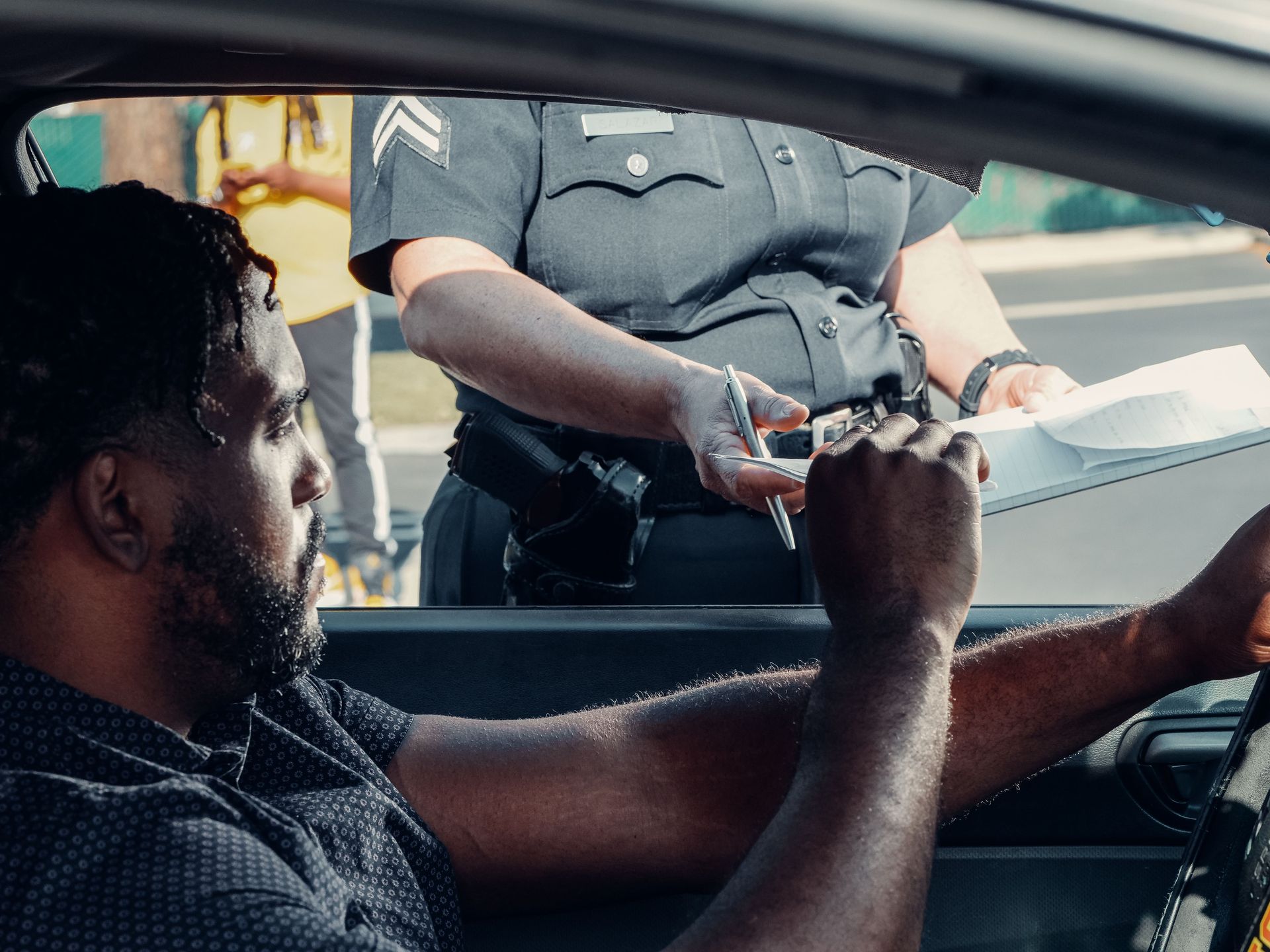


man being pulled over by a female police officer with a clipboard
By Jerry Kilgo June 4, 2026
Charged with a first DUI in Alabama? Learn what happens next, from court dates and license issues to costs, classes, and next steps.
female police officer issuing a breathalyzer test to a male in a silver car
By Jerry Kilgo June 2, 2026
Find out whether you lose your license after a DUI in Alabama, what deadlines matter, and what to know about restricted driving options.
black and gold gavel on desk
By Jerry Kilgo June 1, 2026
Learn what to do when DHR shows up at your door in Alabama, what your rights are, and how a child protective services investigation may unfold.
By Jerry Kilgo May 1, 2026
How Long Do You Have to Pay Child Support in Alabama?
By Jerry Kilgo May 1, 2026
How Is Child Custody Decided in Alabama? What Judges Actually Look At
By Jerry Kilgo May 1, 2026
Can You Date During a Divorce in Alabama? What to Know Before You Make Things Harder
By Jerry Kilgo April 21, 2026
Who Gets the House in a Divorce in Alabama?
By Jerry Kilgo April 21, 2026
What Is the Wife Entitled to in a Divorce in Alabama?
Judge’s gavel on desk in front of a blurred lawyer working on a laptop in an office
By Jerry Kilgo April 21, 2026
How Long Does a Divorce Take in Alabama? A Realistic Timeline From Filing to Final Order
By Seo Management August 6, 2024
Many people find a car essential today, particularly individuals who do not live in urban areas. Public transportation may be unreliable, and men and women must get to work, school, medical appointments, and more. In addition, the ability to drive is a sign that a person is free. They can choose to go wherever their heart desires at a moment’s notice. They aren’t relying on someone else to take them where they want or need to go. Driving is not a right, however. It is a privilege granted by the state where the individual lives and this privilege can be revoked in certain situations. The person named on the driver’s license agrees to obey all traffic laws and drive safely on all roads. The state retains the right to suspend or revoke the license when they don't. Men and women should consult a criminal defense attorney if they lose their license following a DUI charge to navigate the process of restoring the license. Driver’s License Suspensions  The state may suspend a driver’s license for several reasons. A driver with several traffic tickets might find the state takes away their ability to operate a motor vehicle, as it is responsible for keeping other drivers on the road safe. When a person fails to appear in court after being ordered to do so, the state may suspend their driver’s license. It might also take a person’s license if they own back child support to encourage the delinquent parent to catch up on their financial obligation. Driving under the influence will also lead to the suspension of a person’s license. Driving Under the Influence A person driving under the influence of drugs or alcohol will have their license suspended, and that is only one of several penalties they face. When charged with this crime, a person immediately loses driving privileges. Law enforcement has either tested this individual and found their blood alcohol content was at or above the state legal limit or the driver refused chemical testing. The driver must turn their license over when they are charged. They may have the license returned until they appear before a judge, and the judge may suspend the license again for a longer period. Implied Consent Many drivers believe they can refuse chemical and field sobriety tests to avoid losing their licenses. That is not the case. When they receive their driver's license, they agree to undergo chemical testing for drug or alcohol use. This testing may include blood tests, urine analyses, breath tests, or a Breathalyzer. When a driver refuses one or more of these tests, the law enforcement officer may arrest them and require them to undergo testing. Refusing these tests subjects the driver to harsher penalties. The refusal may lead to the driver losing their license for 90 days or being required to have an ignition interlock device installed on their vehicle. Prosecutors may also bring up this refusal in court as evidence of the driver’s impairment. Restoring Driving Privileges Once a License Has Been Suspended Drivers must know how to have their license restored once it has been suspended. They must first confirm that the license has been suspended rather than revoked. When the license has been revoked, the driver must go through all steps required to restore their driving privileges just as they would if the license were suspended. However, they must also retake their driving tests before getting their license back. Administrative license suspensions often come shortly after a DUI arrest. They differ from a license suspension related to criminal charges, such as a DUI conviction. To restore a license following an administrative suspension, the driver can request a hearing where they contest the suspension. During this hearing, the law enforcement officer who handled the arrest will share evidence of why they stopped the driver and what they found during the traffic stop. The driver then mounts a defense, and the hearing officer rules. If the hearing officer upholds the suspension, the driver must abide by all court orders and pay all fines and fees before the suspension period ends. The fines, fees, and court orders vary by the suspension type. DUI Suspensions Before restoring a person’s license when they have been convicted of a DUI, Alabama requires the driver to complete a substance abuse treatment program. The state currently has over 25 court referral programs for drivers, and each program has court referral officers and juvenile instructors. The driver might be required to sit through presentations about substance abuse and how drugs and alcohol affect their driving. The court might also have them participate in an inpatient or outpatient substance abuse treatment program. Level One treatment involves a 12-hour presentation about substance abuse laws and how different substances affect a person’s driving ability. Courts only offer this level for individuals who don’t have an identified substance use disorder. If the court presumes or determines a person has a substance use disorder, it will order the individual into Level Two treatment. The driver participates in a program that lasts at least 24 hours. The student must interact and take an active part in the treatment. This treatment program covers everything from Level One and delves further into substance abuse patterns and available support systems. Self-help meetings make up a portion of Level Two treatment programs. Level Three treatment programs include a mental health evaluation. The student is also referred for treatment in an approved substance abuse program, which may be either inpatient or intensive outpatient. Anyone 21 and under charged with DUI is considered an at-risk youth. They must take part in a 12-hour presentation. The presentation covers topics such as coping skills and conflict resolution. In addition, the youth will learn more about alcohol and drug abuse laws. Restoring the License Taking part in a treatment program is one step in restoring the license. The driver must also pay any fines associated with the suspension and obtain SR-22 insurance. The state may issue a restricted or hardship license for those needing a license to continue working or attending school. This license allows the individual to drive under certain conditions, such as when they have medical or treatment appointments to attend. Before issuing this restricted license, the court will require the driver to install an ignition interlock device on their vehicle. How Long Will the Suspension Last? Administrative suspensions may last as little as 90 days or up to three years. First-time offenders will have their licenses suspended for 90 days, second-time offenders will lose their licenses for one year, and third-time offenders lose them for three years, according to FindLaw.com. If they obtain a restricted license, it may be used for essential travel only in Alabama. Fines and Penalties Assessed with Suspended Licenses Any driver whose license has been suspended must pay a $275 reinstatement fee. There is also an additional $25 drug-related fee and a $150 interlock issuance fee. Additional fees may also be charged, and the driver might need to pay an attorney to fight the suspension. Fees are typically lower when the suspension is from something other than driving under the influence. Contact a criminal defense attorney for more information on restoring a suspended license. No two cases are identical, and the attorney can guide the person through this restoration. With their help, a person can navigate this process and get their license back at the first opportunity.